
In this article we explain how to diagnose common problems and how repairs should be carried out. We also share practical advice to maintain your hydraulic cylinders and prevent failures, whether they are fitted to industrial machinery or vehicles.
What is a hydraulic cylinder?
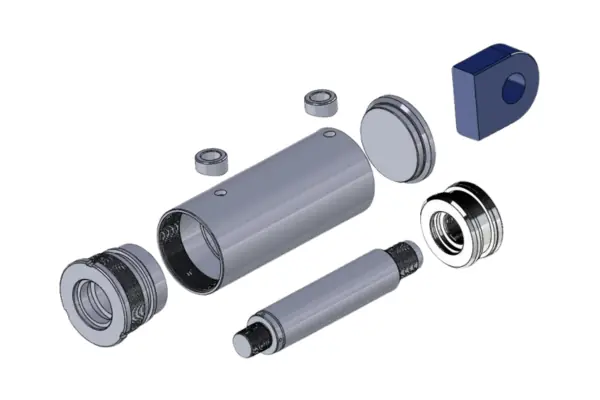
Hydraulic cylinders are essential parts of hydraulic systems. They convert hydraulic energy into mechanical force in all kinds of machines and vehicles. A cylinder usually consists of a barrel, a piston and a rod: when hydraulic pressure is applied, the piston moves inside the barrel and generates the force needed to do work.
They are used to lift heavy loads, move machinery or operate vehicle steering systems. Robust and reliable as they are, they can still develop problems and need repair.
Types of hydraulic cylinder
There are several types of hydraulic cylinder, each with its own characteristics and applications. The most common are single-acting and double-acting cylinders.
Single-acting cylinders work in one direction: hydraulic pressure moves the piston one way to produce a pushing force, then a return spring brings it back to its starting position.
Double-acting cylinders work in both directions: hydraulic pressure moves the piston both ways, producing both pushing and pulling force. They are versatile and suit applications that need two-way movement.
Before any repair, make sure you know which type of cylinder you have.
How do hydraulic cylinders work?
Cylinders work on the principle of hydraulic pressure: oil pumped into the cylinder pushes on the piston and creates a force that lifts a load or moves a machine.
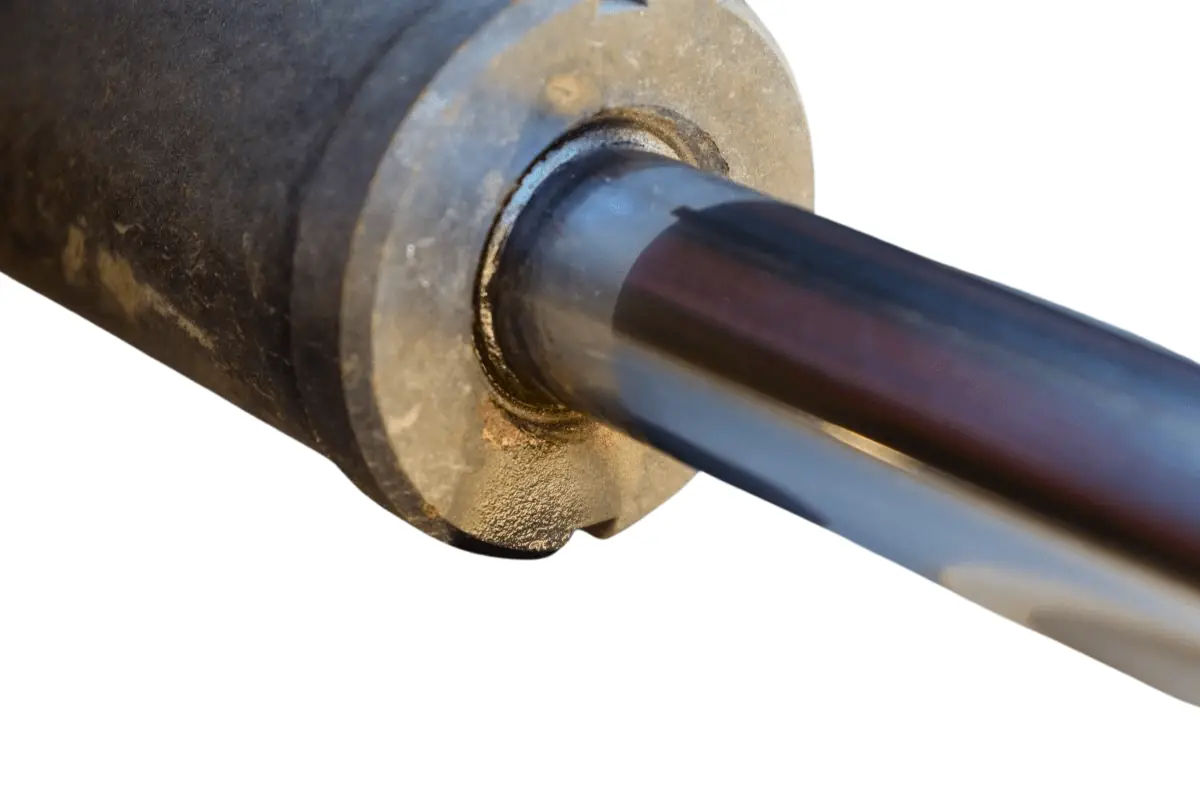
Seals prevent the oil from leaking. Over time these seals can wear and cause leaks, as can scratches on contact surfaces or pressure problems. Diagnose the cause properly before starting any repair.
Common signs of trouble
- Hydraulic fluid leaks: oil stains under the cylinder mean a leak, which must be fixed before it causes more serious damage.
- Slow or limited movement: a pressure problem or worn seals can stop the cylinder from moving properly.
- Unusual noises: squeaking or rubbing can point to worn seals, damaged parts or insufficient lubrication.
Conclusion
Hydraulic cylinders are essential components, and at some point they will need repair. By understanding how they work and recognising the common warning signs, you can maintain them effectively and avoid costly downtime.
Don't let a hydraulic leak slow you down: bring your cylinders to our workshop at the first sign of trouble.